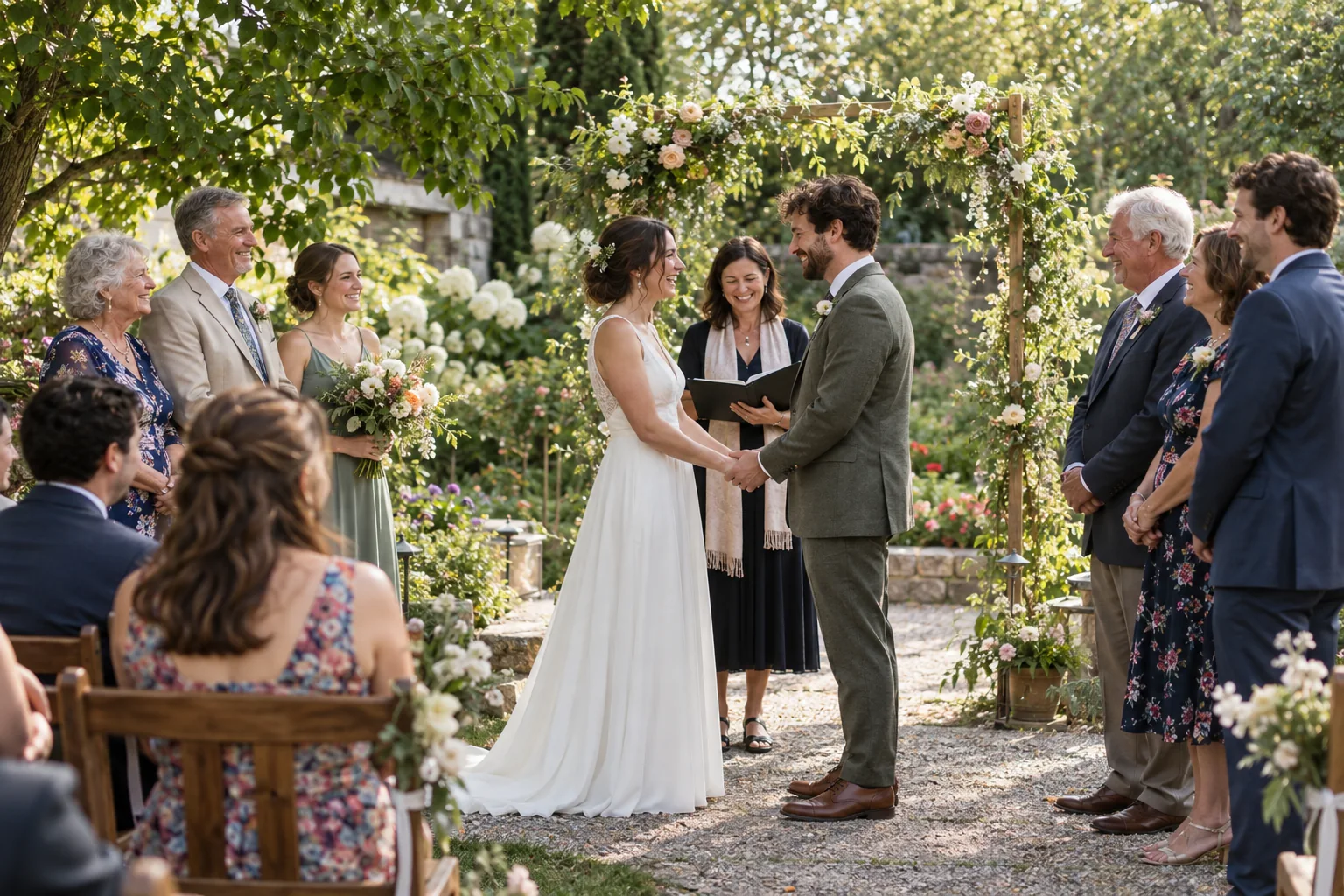
Ceremonies
How to Plan an Intimate Wedding Ceremony That Feels Personal
Plan a small wedding ceremony with clear guest boundaries, a thoughtful ceremony order, accessible seating and meaningful personal touches.
CEREMONIES · PLANNING · LIFE TOGETHER
Thoughtful wedding ceremony ideas, practical planning and small details that make a celebration feel like you.
Plan a personal ceremonyFor the vows, the gathering, and everything between.
 A place to begin
THE PUBLICATION
Concord Wedding Chapel is an independent wedding planning and inspiration publication. We cover ceremonies, small celebrations, meaningful words and the everyday details that help couples make a day their own. Despite our name, we are not a wedding venue, a booking service or an officiant. Here, a chapel is one possible setting for a thoughtful ceremony, not a requirement.
Our starting point is simple: decide what matters to both partners before choosing what the day should look like. You might want a traditional ceremony with family gathered close, a brief exchange of vows followed by dinner, or a larger celebration with a quiet moment built into it. Good planning makes those preferences practical. It gives guests useful information, makes responsibilities clear and leaves space for the relationship at the center of the occasion.
START WITH WHAT MATTERS
Ceremonies
Plan a small wedding ceremony with clear guest boundaries, a thoughtful ceremony order, accessible seating and meaningful personal touches.
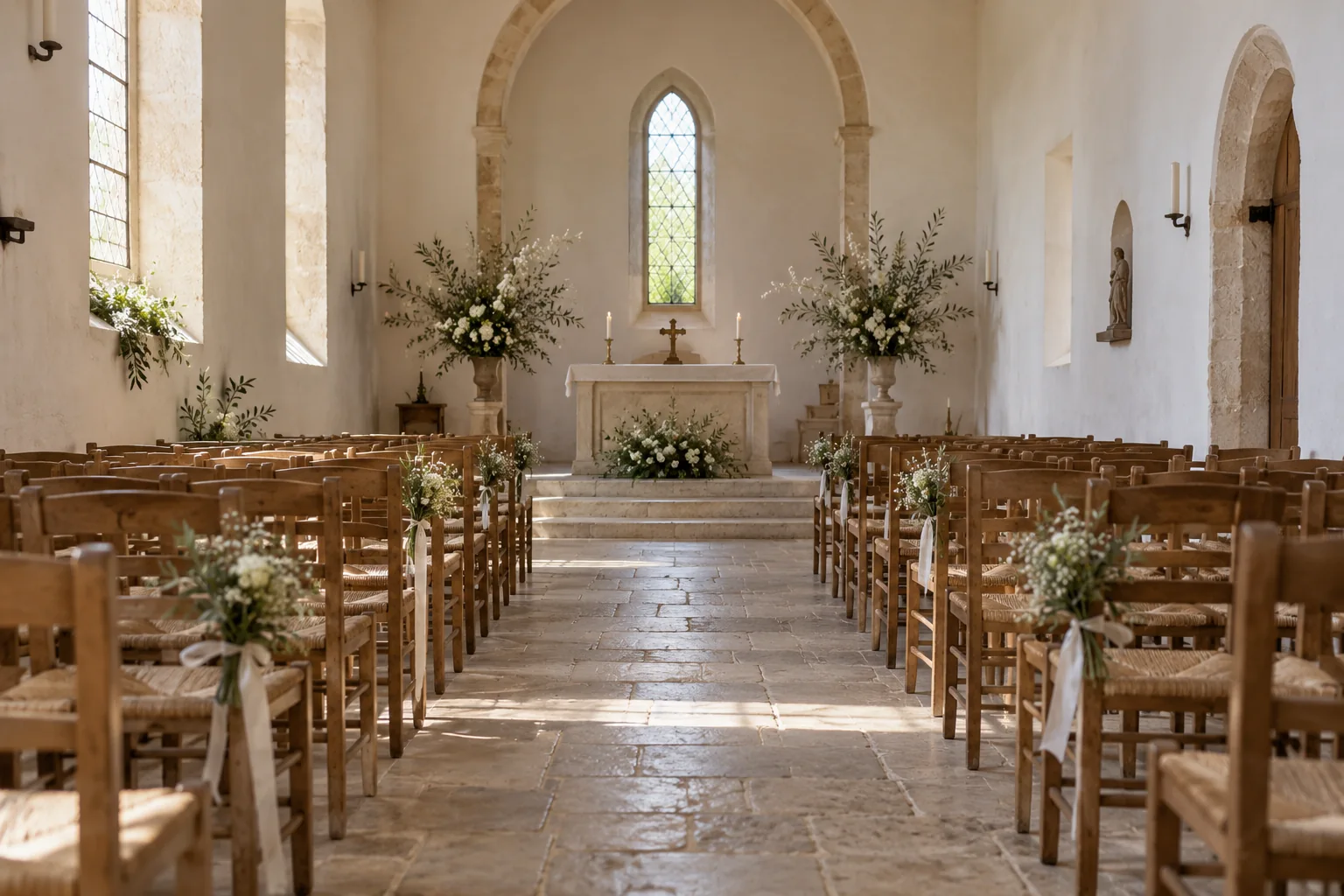
Planning
Compare chapel weddings and traditional venues by ceremony flexibility, access, guest count, total cost and reception arrangements.
PLANNING NOTES / 01
Before choosing flowers or stationery, talk about the commitment you want to express. Who should be present? What words feel natural? Are there religious, cultural or family traditions that need discussion? Write a short description of the ceremony you both want, including what would make either of you uncomfortable. That conversation can prevent expensive choices that pull the day away from your priorities.
Ask the officiant what must happen for the ceremony to meet the requirements where you will marry. Keep that separate from optional readings, music and rituals. Once the essentials are understood, you can build an order that has a clear opening, a central commitment and a warm ending. Give readers and musicians enough notice to prepare.
A personal ceremony does not need constant surprises. Familiar words can be meaningful when they fit your beliefs; original vows can be short and direct. Choose details because they express something true about you, rather than because they create another item on a planning list.
PLANNING NOTES / 02
Think of style as a set of choices that helps people understand the atmosphere. A chapel ceremony with a restaurant meal may call for simple flowers, clear directions and comfortable clothing. A garden gathering may need weather protection and sturdy seating before it needs a color theme. An evening celebration may benefit from thoughtful lighting and a clear route home.
Choose a small visual palette and repeat it selectively. You can connect invitations, flowers and table details without making every object match. Let an interesting room, a family textile or a seasonal arrangement do some of the work. If a decoration obstructs a view, blocks a route or requires complicated installation, adapt it before it becomes part of the plan.
For couples with different tastes, identify one shared element and give each partner room elsewhere. An elegant ceremony and a casual meal can belong to the same day. The useful question is how the parts fit together for your guests, not which wedding label best describes the result.
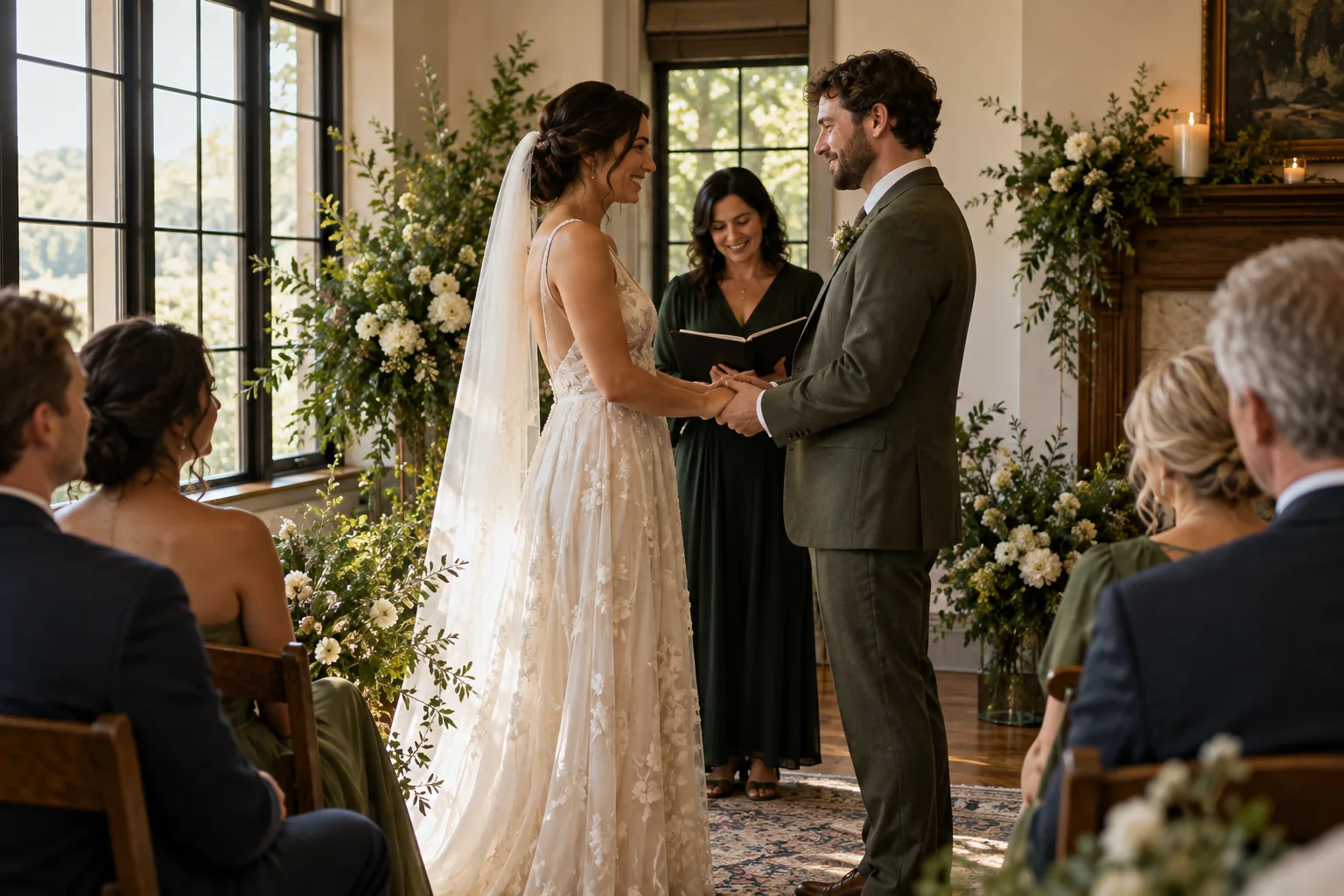
CLOSE TO THE PEOPLE YOU LOVE
A clear ceremony, comfortable guests and a few details chosen with care.
Explore intimate weddingsPLANNING NOTES / 03
An intimate wedding gives you more opportunity to speak with guests, but the smaller number does not remove the need for planning. People still need clear invitations, comfortable seating, a meal arrangement and a way to get home. Explain who is invited and avoid relying on a chain of family messages to carry essential details.
Choose a guest boundary you can apply kindly and consistently. Then consider practical exceptions, such as a caregiver or a partner traveling with someone from far away. The goal is a gathering you can host comfortably, not a mathematical test of whose relationship matters most.
Look for a space that feels welcoming at your actual guest count. Twenty people in a very large hall can feel farther apart than the same group in a modest room. A shorter aisle, a shallow seating curve and good sound can create closeness without adding decoration. Our intimate wedding guide develops these decisions into a ceremony plan, with a suggested timeline and a checklist of responsibilities.
PLANNING NOTES / 04
Wedding chapels differ in their traditions, ownership and services. Some are religious spaces with specific ceremony requirements. Others are event settings with broader flexibility. Ask who can officiate, what wording is permitted, how long you can use the room and whether other events will overlap. A beautiful exterior does not tell you how the day will operate.
Compare the ceremony and reception together. A chapel followed by a nearby meal can work smoothly when transport and timing are clear. A venue offering both parts may simplify travel but still require a room change or a waiting period. Request a floor plan and an itemized quote for the arrangement you actually want.
Visit with guest needs in mind. Check steps, restrooms, hearing conditions, arrival shelter and space for mobility aids. Ask specific questions about the routes people will use. A venue that makes these details easy may support the atmosphere you want better than a more dramatic location with unresolved practical limits.
Plan around the moments you want to remember,
not the details you feel obliged to include.
PLANNING NOTES / 05
Engagement can become a rush toward dates, deposits and decisions. Give yourselves permission to mark the news before planning takes over. A dinner with a few people, a walk in a favorite place or a private day together can be enough. Choose the format by what you want to share, not by what a wedding party is supposed to look like.
If families are meeting, arrange a setting where conversation is possible. If friends are gathering, make the timing and food arrangements clear. Tell guests about shared costs before they accept, and keep gifts optional. A personal celebration is easier to enjoy when nobody has to guess what hosting means.
You can also agree how much planning information you want to share. A friendly answer such as “We are still deciding and will tell you when plans are ready” protects space for your own conversations. Enjoying an engagement does not require making every wedding decision immediately.
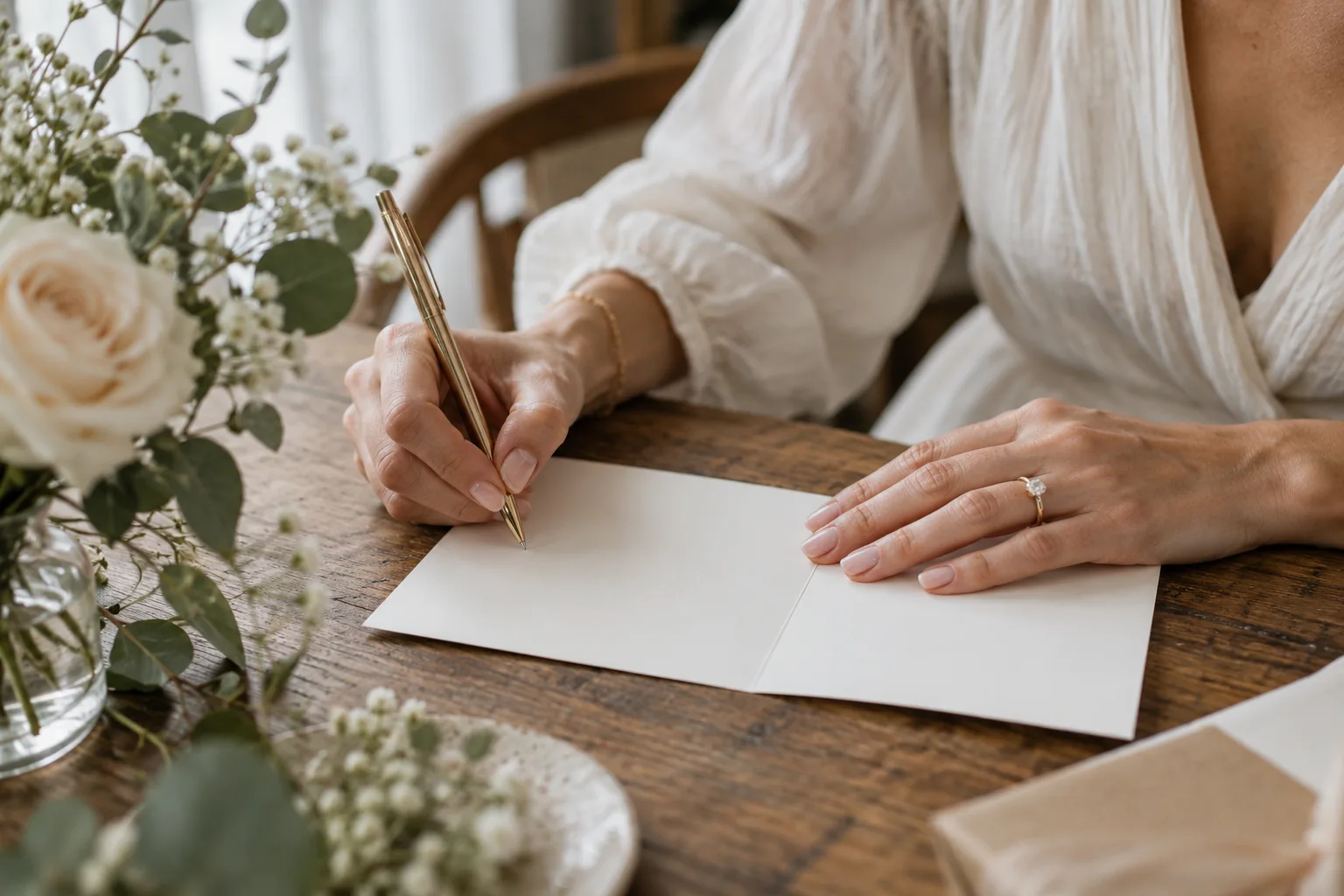
WORDS & WISHES
A personal memory and a kind wish can say more than a perfect quotation.
Find your wedding card wordsPLANNING NOTES / 06
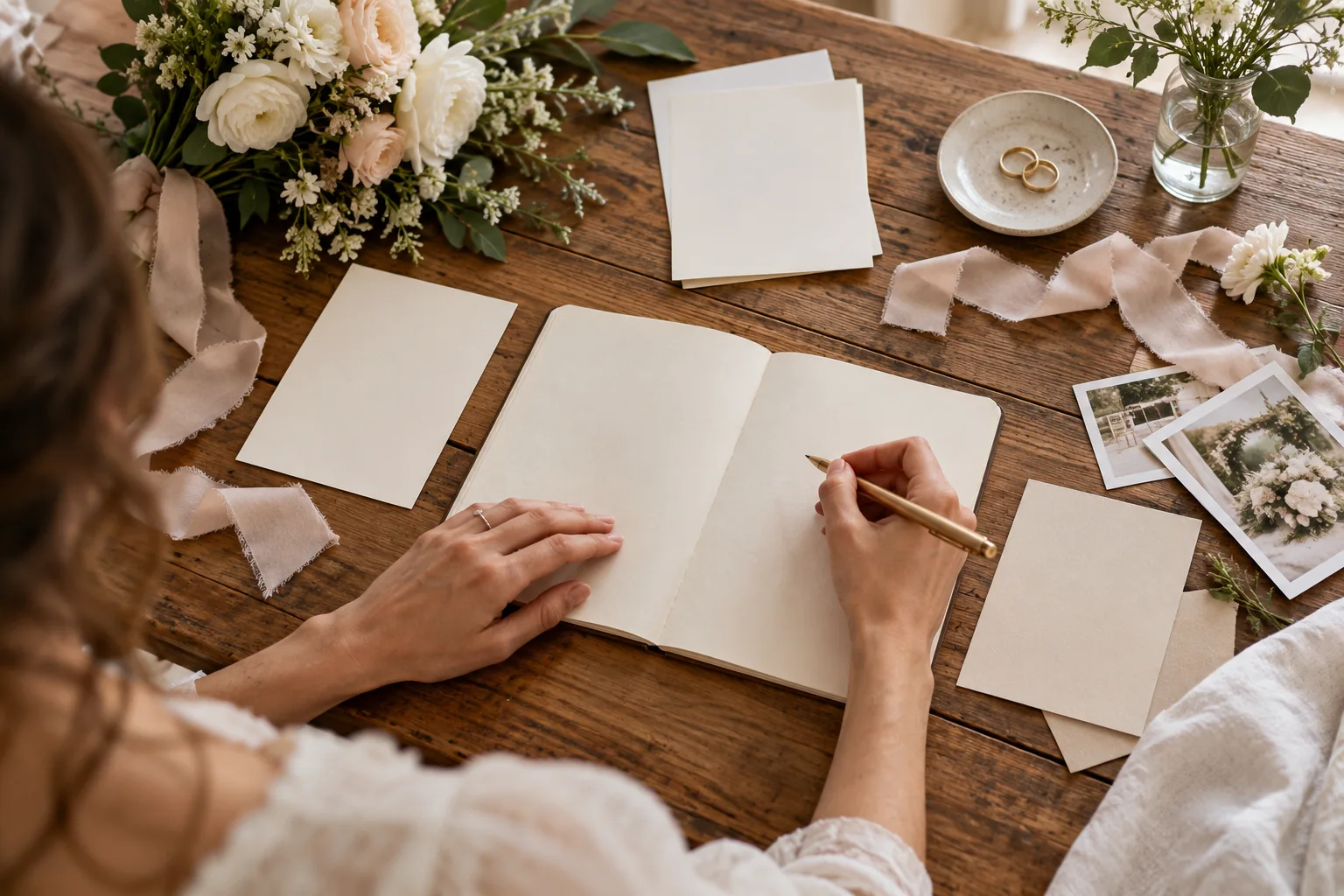
Wedding cards, private letters and short toasts all benefit from specificity. Begin with the occasion, add one true thought about the people and finish with a kind wish. A sentence about how a couple supports each other usually means more than a paragraph of grand predictions about their future.
Match the tone to your relationship. A colleague’s card can be brief and warm; a sibling’s note may include a memory. Religious language should reflect the couple’s beliefs, and humor should make both partners feel included. Avoid jokes about past relationships, unwanted advice and assumptions about children or surnames.
If you are writing vows, distinguish promises you can practice from outcomes you cannot guarantee. “I will make time to listen” is a commitment you can act on. Read your draft aloud and remove phrases that do not sound like you. Our wedding card article includes original examples and a simple formula you can adapt for several kinds of relationships.
PLANNING NOTES / 07
Work backward from arrival at the ceremony and ask suppliers for realistic preparation times. Include travel, dressing, food and a little breathing room. A schedule that fits only when nothing takes longer than expected is too tight. Share one final version with the people who need it and name a contact for routine questions.
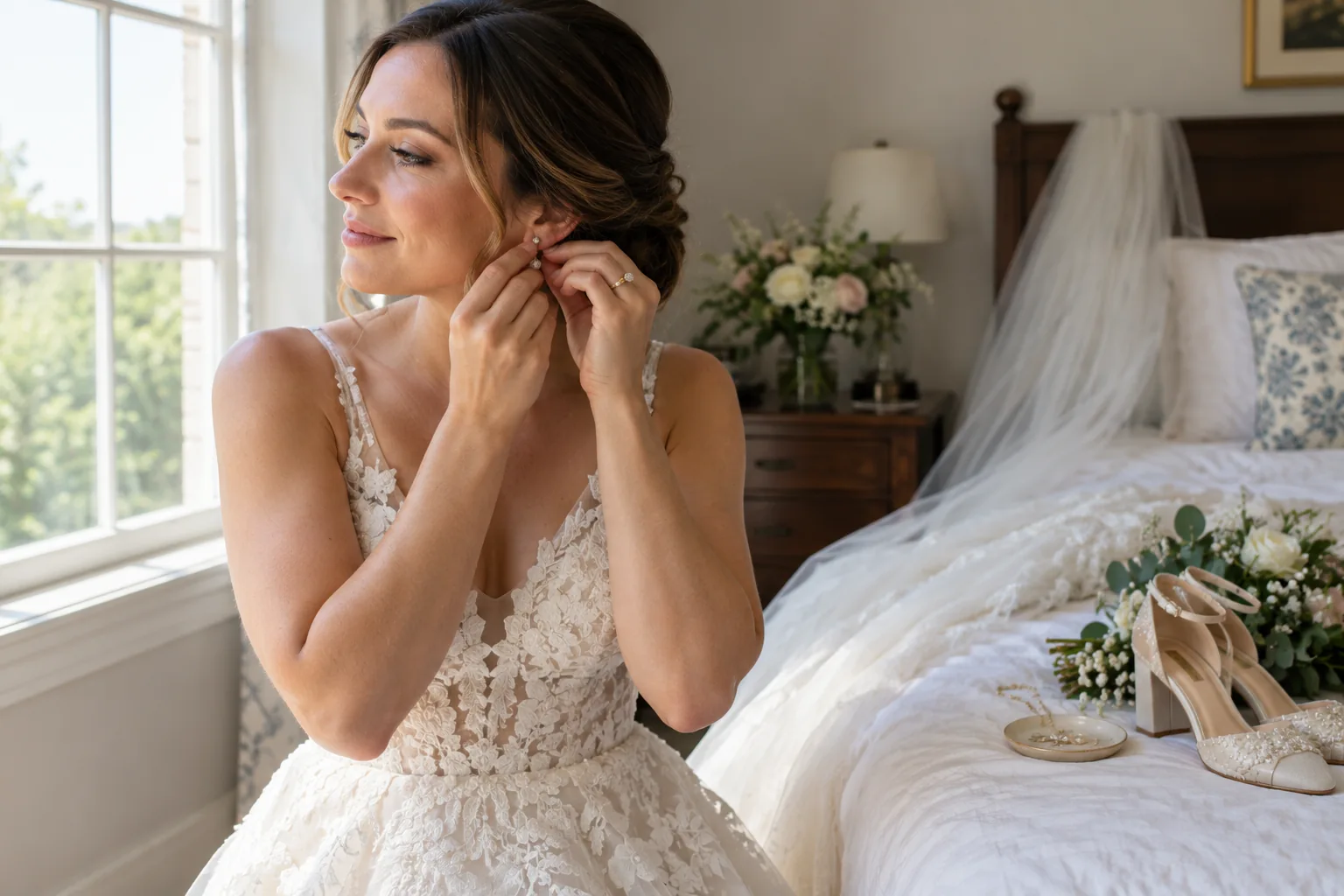
Choose the getting-ready company you actually want. Some people enjoy a busy room; others need quiet. Check mirrors, seating, outlets and space for bags before the day. Explain who is helping with clothes, who is arranging transport and who holds rings or documents. Tasks become manageable when somebody has accepted them.
A meaningful morning detail can be very small: breakfast together, a private letter or a familiar song. Decide whether you want that moment photographed. You can keep parts of the day private even when the celebration is public. The morning guide offers ways to fit these choices around the practical work.
PLANNING NOTES / 08
A couple gift does not need to repeat the wedding date on every surface. Think about routines the recipients already enjoy: cooking, travel, a weekend walk or a quiet evening at home. A useful object with a personal note can carry more meaning than a large novelty item chosen only because it has a wedding theme.
Clothing works best when both partners have a say in fit and style. Coordination can be as subtle as a shared color, related fabrics or one repeated accessory. Each person should still feel comfortable in their own silhouette. Begin with what is already in the wardrobe before deciding to buy.
For personalized items, check spelling, measurements, delivery estimates and return exclusions before ordering. Leave a backup for anything tied to a specific trip or event. Our newlywed style article explores practical outfit combinations for travel, dinner and ordinary weekends, with an emphasis on clothes you would both choose to wear again.
SAVE FOR YOUR NEXT CONVERSATION
Use these prompts together. Checkmarks stay on this page only.
PLANNING NOTES / 09
Start with your guest boundary, spending limit and three shared priorities. Confirm legal arrangements with the relevant office, then choose a ceremony setting and a realistic meal plan. Compare complete quotes before paying deposits. Keep contracts, supplier contacts and important dates together so decisions remain easy to find.
Next, map how guests move through the day. Check access, seating, sound, food needs and transport. Arrange a workable weather alternative where needed. Write invitations that explain the occasion clearly, including who is invited and any costs guests are expected to cover. Assign setup and collection tasks to named people who have agreed to help.
Closer to the day, rehearse the ceremony order and confirm timings with suppliers. Gather documents, rings and clothing essentials. Remove optional elements if the schedule feels crowded. A checklist should reduce the amount you have to remember, not become a measure of whether your wedding includes enough activities.
PLANNING NOTES / 10
Marriage arrangements depend on the place where you marry and your individual circumstances. Do not assume advice from another couple, a wedding forum or a venue applies to you. Ask the responsible authority about applications, documents, witnesses, officiant requirements and timing before making plans that rely on a particular date.
For a starting explanation in the United States, the USAGov marriage license and certificate resource distinguishes permission to marry from proof that a marriage took place and points readers toward the relevant offices. It is a starting point, not a substitute for local requirements or advice about a particular situation.
Keep copies of the instructions you receive and note who is responsible for the next step. If the answer is unclear or involves cross-border recognition, seek qualified advice. Our articles provide planning ideas; they do not decide whether a ceremony will create a legally recognized marriage.
PLANNING NOTES / 11
Wedding decisions can become uneven when one partner quietly becomes the default organizer. Divide work explicitly and agree how decisions will be made. One person might research venues while the other gathers catering quotes, but both should understand the major commitments before they are made.
Set a regular time to discuss planning, with a short list of decisions rather than an open-ended stream of options. Record what you choose and what remains unresolved. Outside that conversation, allow yourselves time together that is not about the wedding. A familiar meal or a walk can help the celebration remain part of your life rather than take over all of it.
When family suggestions arrive, respond as a couple where possible. Thank people for their ideas, explain boundaries simply and avoid making promises to end an uncomfortable conversation. The planning process can be a useful practice in listening, sharing responsibility and choosing what fits both of you.
THE READING LIST
Words & wishes
Find original wedding card examples for friends, family and colleagues, plus a simple writing formula and guidance on tone and etiquette.

Celebrations
Plan a personal engagement celebration with small dinner ideas, low-pressure activities, clear hosting arrangements and thoughtful guest etiquette.
Wedding day
Build a calm wedding morning with realistic preparation timing, private letters, simple gifts, breakfast and a practical getting-ready checklist.

Couple style
Coordinate newlywed outfits with shared colors, comfortable layers and subtle matching details for travel, weekends and anniversary photographs.
A FEW COMMON QUESTIONS
No. This website is an independent planning and inspiration publication. It does not operate a chapel, provide officiants or take wedding bookings.
Choose a few details that reflect both partners, keep the ceremony order clear and plan guest comfort. Personal vows, a meaningful reading or a familiar meal can be enough.
No single rule applies to all chapels. Ask the particular venue about its purpose, ceremony requirements, officiant arrangements and permitted wording.
Use the government office responsible for marriage applications in the place where you plan to marry. Confirm requirements for your circumstances before relying on a date or ceremony plan.
No. Both are optional. Choose them only if you both enjoy the idea, and prioritize comfort, fit and practical timing.
No. The images in this edition are AI-generated editorial illustrations. They do not depict a documented wedding, verified venue or tested product.
PLANNING NOTES / 12
Begin with the question closest to your next decision. If you are choosing a setting, read the venue comparison before collecting more images. If the guest list is small, use the intimate ceremony guide to check the flow of the day. If you are attending rather than hosting, the card examples may be the most useful place to start.
Our guidance separates suggested ideas from details that need direct confirmation. We do not publish invented venue reviews, pretend to book weddings or present illustrative photographs as evidence of a real chapel. This edition uses AI-assisted writing and generated images; the pictures show imagined editorial scenes rather than documented events. Readers should confirm legal, venue and purchase details with their original sources.
Read our editorial policy for the standards behind the publication and how corrections should be reported. The aim is practical help you can adapt, with room for different traditions, budgets and ways of celebrating. Keep what serves your plans, and leave the ideas that do not.
KEEP A GOOD IDEA CLOSE
Bookmark these guides for your planning conversations. No email signup is needed.
Return to the planning guides