Planning
Wedding Chapel vs. Traditional Venue: How to Choose
A chapel and a reception venue can both host a memorable wedding. The useful question is which setting supports your ceremony, your guests and the amount of organizing you want to do. Venue labels are broad: one chapel may offer flexible secular ceremonies, while another follows a specific religious practice. Compare the actual rules and contract, not the category alone.
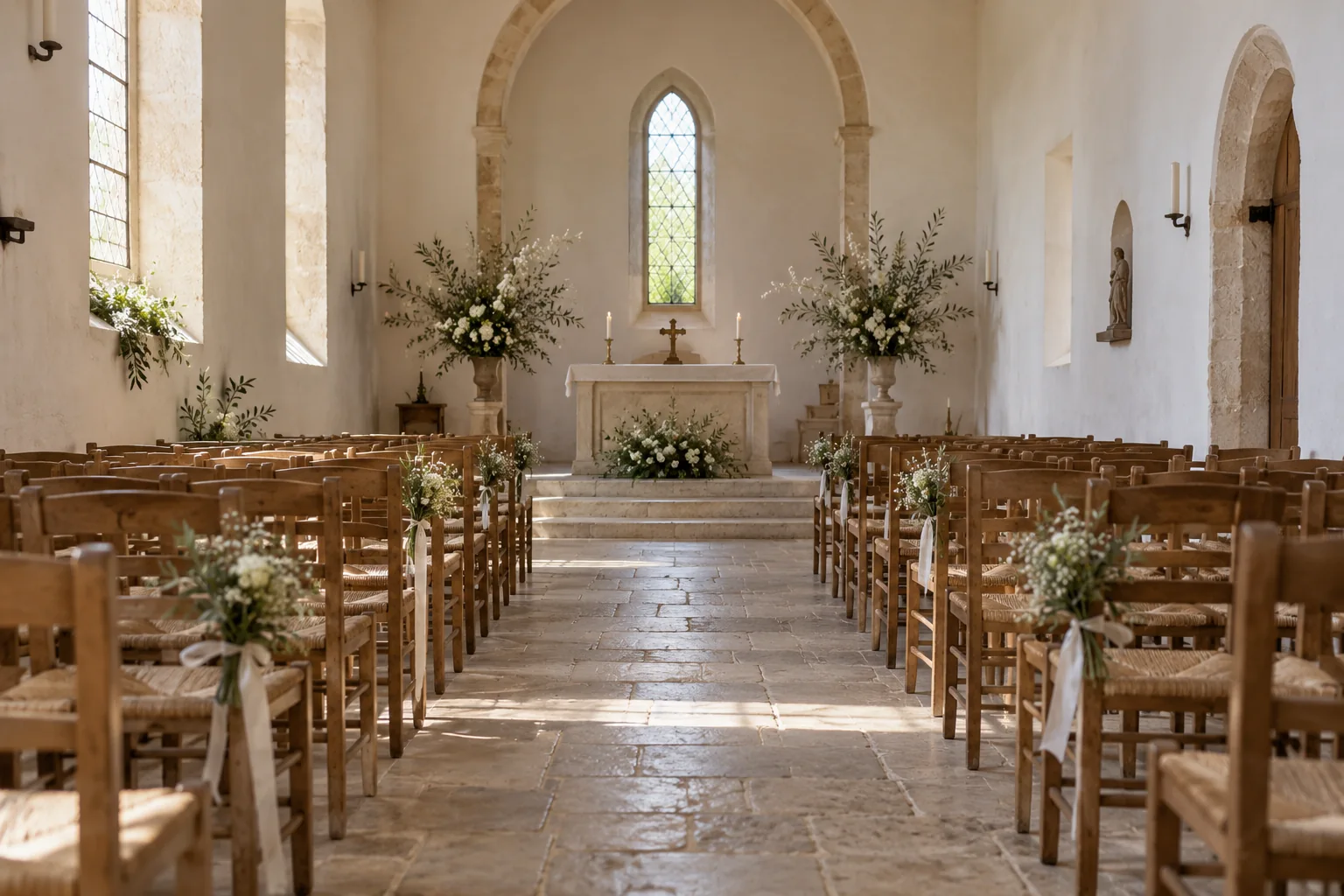
Compare the whole day, not the room
Write down your intended guest count, ceremony preferences, meal plan and likely arrival time before requesting quotes. Include any non-negotiable access needs and traditions. A venue can look like a perfect match until you discover that its hire period excludes getting ready, or that the reception must take place across town.
For each option, draw the day as a sequence: arrival, preparation, ceremony, photographs, refreshments, meal and departure. Mark every journey and every room change. Each transition needs time and someone responsible for moving people or belongings. A single-location venue may simplify this; a chapel with a nearby restaurant may also work very well.
Do not treat a dedicated chapel as a promise of an all-inclusive package. Ask what is included, what is optional and what is supplied by outside vendors. The same applies to hotels, gardens, barns and private dining rooms. The contract is more informative than a marketing description.
A practical side-by-side view
Use this comparison as a question list rather than a rule about every venue. There are exceptions in both directions. Write the actual answers beside each location you are considering, then compare like-for-like costs and responsibilities.
| Decision | Chapel option | Traditional venue option |
|---|---|---|
| Ceremony | Ask about officiants, wording and religious requirements. | Ask about ceremony space, permissions and outside officiants. |
| Layout | Check fixed pews, sound and wheelchair positions. | Check chair rentals, setup labor and guest circulation. |
| Reception | Confirm nearby meal options and travel. | Confirm catering, room reset and waiting space. |
| Weather | Check sheltered arrivals and photographs. | Get a usable backup for outdoor areas. |
| Cost | Total ceremony, meal and transport costs. | Total hire, catering, staffing and rentals. |
Ceremony freedom and officiant arrangements
Ask who may officiate and whether the venue requires approval of your ceremony wording. Religious chapels may have requirements about membership, preparation, music or the ceremony itself. Other chapels operate as flexible event spaces. Traditional venues can also have restrictions, especially where buildings are shared or ceremonies take place outside.
Discuss readings, personal vows, cultural rituals, live musicians and any use of candles. Request written confirmation for an element that matters deeply to you. Avoid assuming that an attractive photograph of a previous wedding means the same setup remains available or was included in the standard package.
Venue permission and legal permission are separate matters. Confirm the requirements for the place where you will marry with the relevant government office and your officiant. Do not rely on a venue’s general advice as a substitute for checking your own circumstances.
Guest comfort is a decision criterion
Visit at a similar time of day to your planned ceremony if possible. Notice sunlight, temperature, background noise and the distance from parking or public transport. Ask about step-free entrances, restrooms, seating and the route between the ceremony and meal. Describe specific needs rather than asking only whether the venue is “accessible.”
A fixed pew layout may be comfortable for some guests and difficult for others. Ask about spaces for wheelchairs within the group, not only at the back. At a garden or barn, check the surface underfoot and what happens after rain. Consider older relatives, guests with babies and anyone who may need a quiet place to pause.
Capacity should reflect your chosen setup. A maximum number might describe a standing reception rather than a seated ceremony with a musicians’ area. Request a floor plan showing your actual arrangements, with circulation space and exits kept clear.
Calculate the real price of each option
List the hire fee, officiant arrangements, furniture, sound equipment, setup, cleaning and any required suppliers. Then add catering, minimum spend, travel and overtime where relevant. Ask which charges are fixed, which depend on guest count and which can change if the schedule runs late. Keep a reserve instead of spending the entire budget on the first quote.
An apparently cheaper ceremony space can become more expensive after transport and a separate reception are added. A larger venue may include equipment you would otherwise rent, but it may also require more catering or staff than your small gathering needs. Compare total plans rather than isolated fees.
Read cancellation and rescheduling terms before paying. Clarify what happens if a supplier cannot attend, the venue becomes unavailable or severe weather disrupts an outdoor plan. Store the agreed quote and contract together. If wording is unclear or the financial commitment is substantial, seek appropriate professional advice.
Three scenarios that reveal the better fit
For a couple inviting a small family circle, a chapel followed by a private restaurant room can create a focused ceremony and an easy meal. Check the journey, restaurant timing and somewhere to wait if the ceremony finishes early. Our intimate ceremony planning guide helps turn that outline into a workable guest experience.
For a couple planning a long celebration with dancing, a venue that hosts the ceremony and reception may reduce travel. Ask who resets the room, where guests wait during that change and whether a second ceremony space is included. Convenience depends on the actual operations, not simply being at one address.
For a couple whose faith or family tradition shapes the ceremony, a chapel associated with that tradition may be the natural starting point. Speak with the relevant officiant early. For partners from different backgrounds, discuss how both will be represented and which elements are required, optional or unsuitable for that particular setting.
Questions to ask before reserving
Request the exact access period, a full list of inclusions, rules for outside suppliers, the wet-weather plan and a description of staffing on the day. Ask who your contact will be during the event, not only during sales conversations. Confirm whether other weddings or events will overlap with yours.
Ask about music volume, photography restrictions, decoration attachment, confetti, alcohol and departure times if those details affect your plans. Check storage and collection arrangements for personal belongings. A beautiful venue becomes difficult when nobody knows where bags, gifts or leftover decorations will go.
Arrange a decision conversation with your partner after the visit rather than signing because the tour felt exciting. Compare notes independently first. One of you may have noticed a practical problem the other missed while concentrating on the ceremony atmosphere.
Choose the setting that makes your priorities easier
Score each shortlisted location against your three strongest priorities, then list compromises beside the scores. A trade-off is acceptable when you understand it: a short drive for a meaningful chapel, for example, or simpler decorations in exchange for easy access. Hidden compromises are the ones likely to cause frustration later.
Think beyond the ceremony photographs. Guests remember how they were welcomed, whether they could hear, and how smoothly the meal began. Use the wedding morning planning ideas to check preparation space and timing before committing.
Choose after you have a complete cost, clear rules and a believable schedule. Neither category is inherently more romantic or more practical. The better venue is the one that supports the wedding you both want with arrangements you can realistically manage.